AtmosGrid — Planetary IntelligenceCOMMERCIAL PRODUCT
Agricultural landscape illustrating the crop decision workflow
← All crop tools

FPO HARVEST PLANNER

Find the weather window. Then coordinate the harvest around reality.

Screen up to 30 forecast days for rain and wind suitability while separating weather windows from member aggregation, storage and market logistics.

PARTIALLY AVAILABLE · WEATHER WINDOWSSee how it works ↓
Illustrative agriculture imagery

THE DECISION IT SUPPORTS

Which days look workable—and what must the FPO coordinate next?

The planner checks daily rain probability, amount and wind. It shortlists weather windows but cannot allocate crews, vehicles or storage until operational data is supplied.

Built for

  • Farm advisory teams
  • FPO coordinators
  • Agricultural platforms
  • District planning teams

WHY TEAMS USE IT

Turn broad data into a clearer next step.

Each result is designed to narrow a decision, show the inputs behind it, and surface what must still be checked locally.

01

Shortlist workable days

See which forecast days satisfy configured rain and wind limits.

02

Prepare communication

Use the shortlist for village-level confirmation and readiness calls.

03

Protect quality

Review likely dry windows before mature produce is exposed to rain.

04

Expose logistics gaps

Keep quantities, maturity, transport and market constraints visible.

FROM REGION TO FIELD

See where each signal fits.

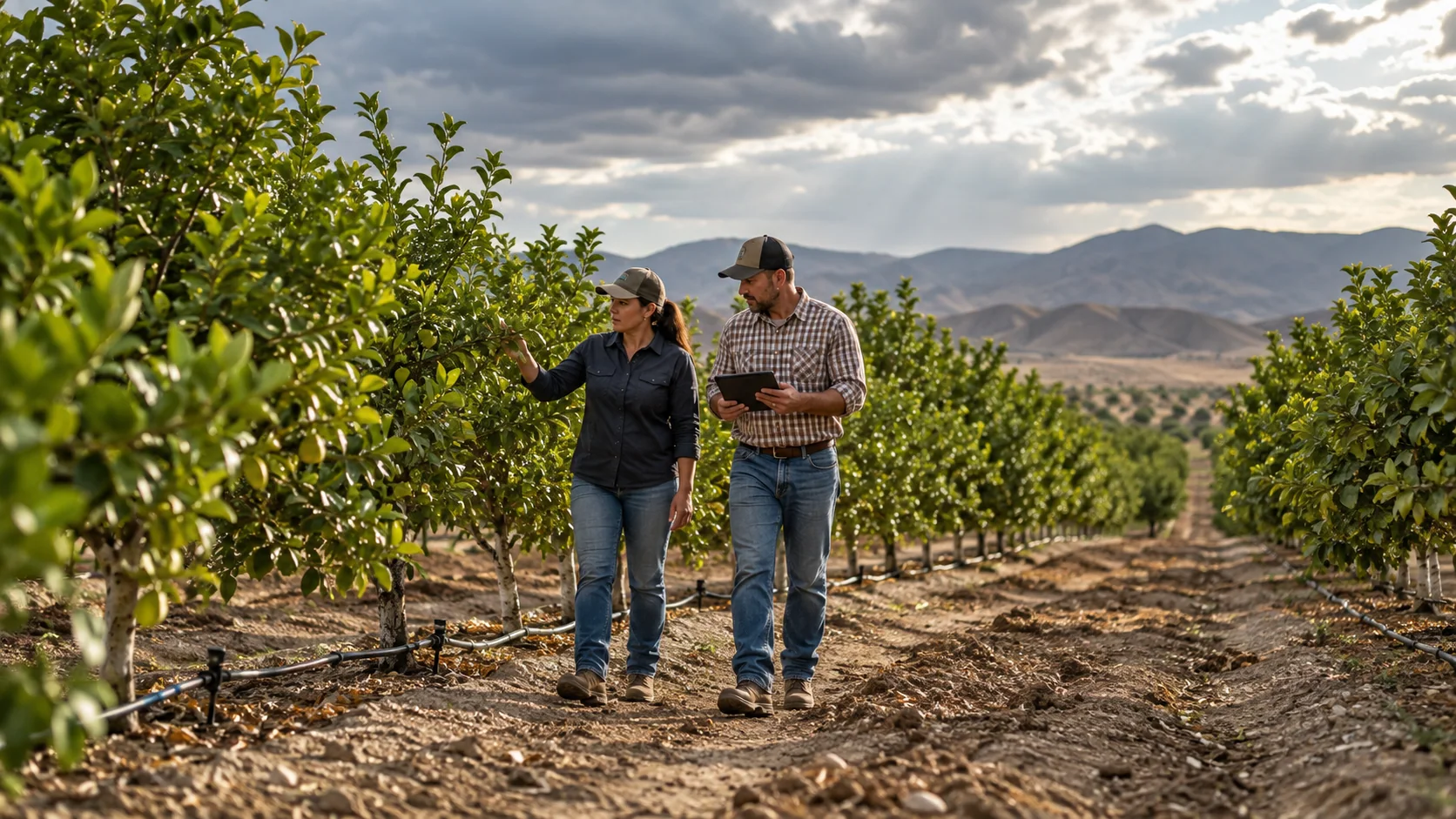
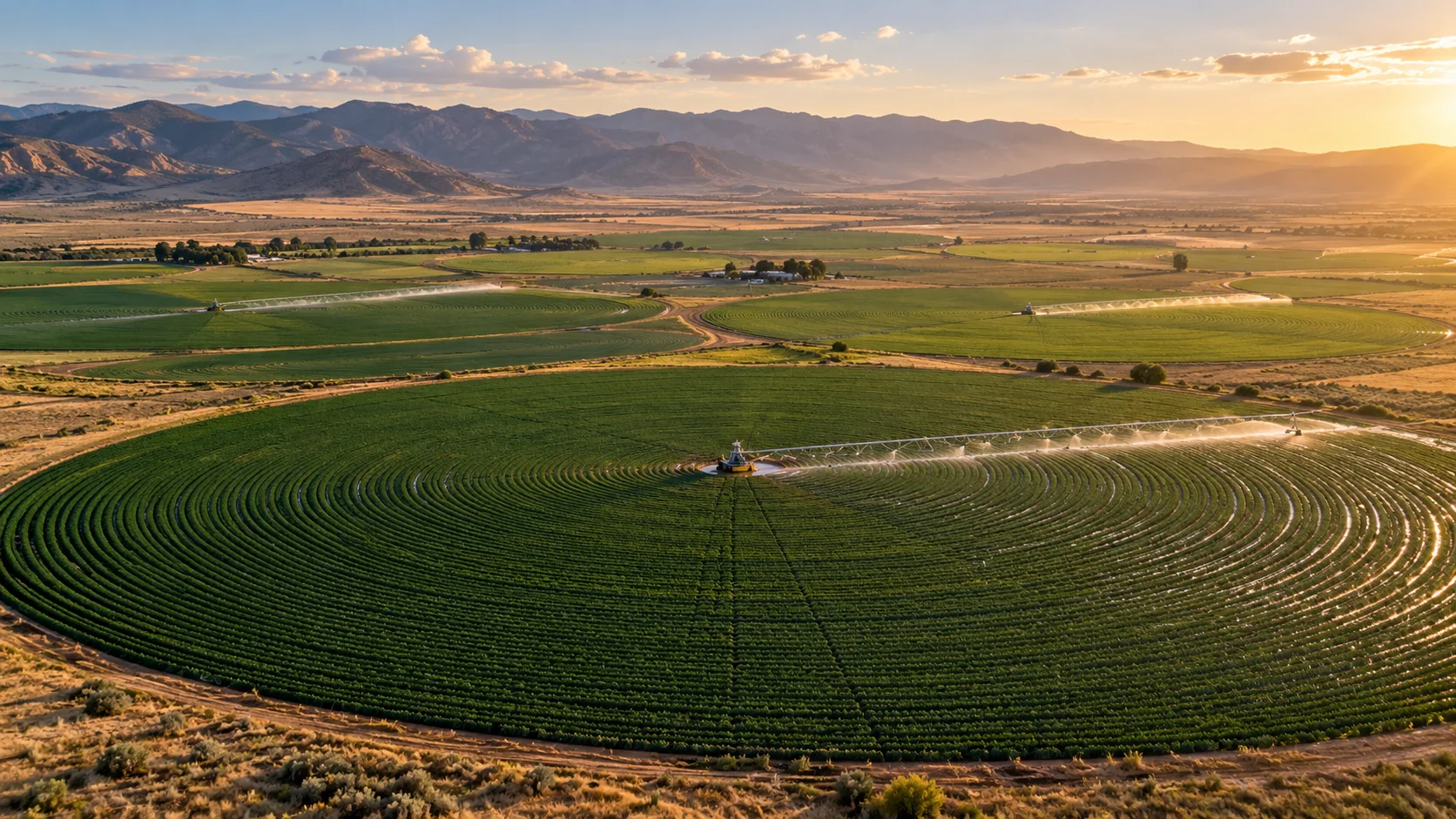
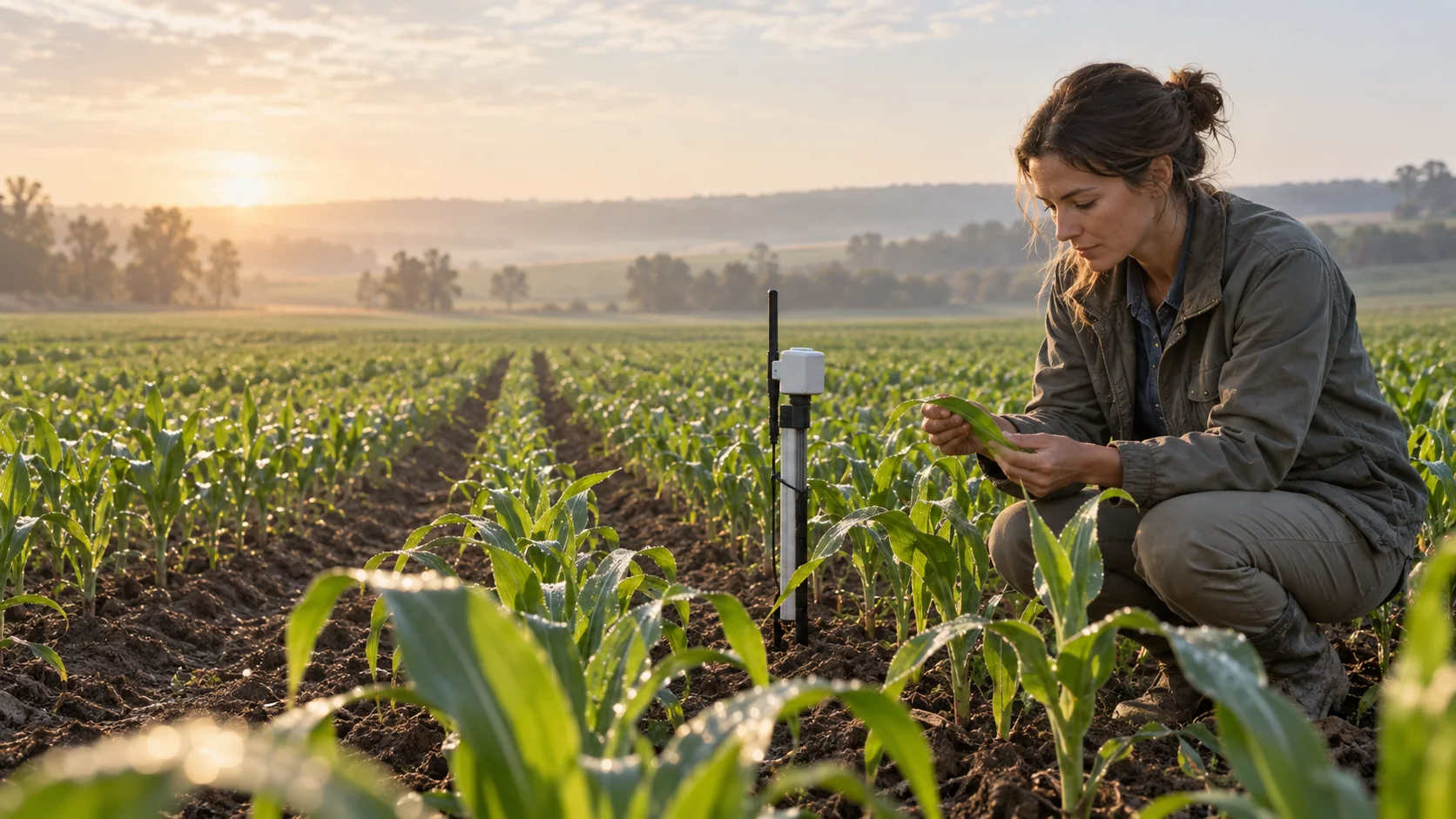
Images illustrate the operational setting. They are not live observations; use source timestamps and local measurements for decisions.

Plan with the people doing the workCOORDINATION

Plan with the people doing the work

Forecast windows become useful after members confirm maturity, labour and machinery.
Aggregate without losing contextFIELD NETWORK

Aggregate without losing context

FPO plans need locations, quantities and access constraints from each cluster.
Confirm maturity before dispatchHARVEST READINESS

Confirm maturity before dispatch

A dry forecast does not mean every field is ready to harvest.

THE INFORMATION STACK

What goes in—and what it helps explain.

Availability is stated per input. AtmosGrid never converts a missing parcel observation into a made-up field value.

INFORMATIONSOURCEHOW IT IS USEDSTATUS
01Daily forecastAtmosGrid / callerScreens rain probability, amount and wind.REQUIRED
02Crop IDFPO recordIdentifies the crop scheduled.REQUIRED
03Member inventoryFPO MISLinks fields, owners and quantity.MISSING
04Maturity / moistureField checksConfirms harvest readiness.MISSING
05Storage / transportFPO operationsConstrains daily capacity.MISSING
06Market scheduleBuyer / marketAligns harvest and arrival.MISSING

A PRACTICAL WORKFLOW

From input to reviewable decision.

The workflow keeps model context, field evidence and human approval in their proper places.

  1. 01

    Load forecast horizon

    Supply one to 30 daily entries in documented units.

  2. 02

    Review suitable days

    Inspect daily assessments and the filtered shortlist.

  3. 03

    Confirm member readiness

    Check maturity, access, labour and machinery.

  4. 04

    Balance capacity

    Cap plans by equipment, vehicles, drying and storage.

  5. 05

    Recheck before execution

    Refresh forecasts and communicate changes.

HOW INFORMATION BECOMES USEFUL

Examples of decisions it can inform.

These are screening patterns, not automatic instructions. Operational thresholds and local advisories remain authoritative.

SCENARIO 01

A two-day dry window

Signal
Low rain probability and manageable wind.
Useful action
Ask ready clusters to confirm quantity.
Check before acting
Field moisture after earlier rain.
SCENARIO 02

Many fields mature together

Signal
Inventory exceeds daily capacity.
Useful action
Sequence by readiness and quality risk.
Check before acting
Optimisation needs missing operational data.
SCENARIO 03

Rain risk before market day

Signal
A day becomes unsuitable.
Useful action
Review storage or delayed dispatch.
Check before acting
Do not harvest immature crop solely for weather.

FOR PRODUCT TEAMS

A transparent API contract.

The response exposes gaps and limitations so an application can explain confidence instead of hiding it.

POST/api/v1/agriculture/india/fpo-harvest-plan

Example request

{
  "cropId": "wheat",
  "forecast": [{
    "date": "2026-10-03",
    "rainProbabilityPercent": 10,
    "rainMm": 0, "windKph": 12
  }]
}
JSONdecision response

Example response

{
  "weatherWindows": [
    { "date": "2026-10-03",
      "suitable": true }
  ],
  "capability":
    "weather-window-screening-only"
}

CAPABILITY BOUNDARIES

Useful now. Honest about what comes next.

Supported now

  • One-to-30-day assessment
  • Transparent rain and wind limits
  • Daily and filtered suitable-day output
  • Machine-readable data requirements

Additional data required

  • Member crop inventory
  • Maturity and expected quantity
  • Labour and machinery capacity
  • Transport, storage and drying
  • Buyer and market schedule

BUILD RESPONSIBLY

Use the result to focus attention—not replace field judgment.

Pair AtmosGrid’s regional weather context with local measurements, crop stage, variety guidance and qualified agricultural advice.

Read the API documentation ↗Open the India viewer ↗Explore all crop tools ↗